64 years (men)
66 years (women)
English, More than 250 African languages including Akan, Ewe
Learn MoreOver 50% Christianity, one-fifth Muslim and small segments are into indigenous beliefs
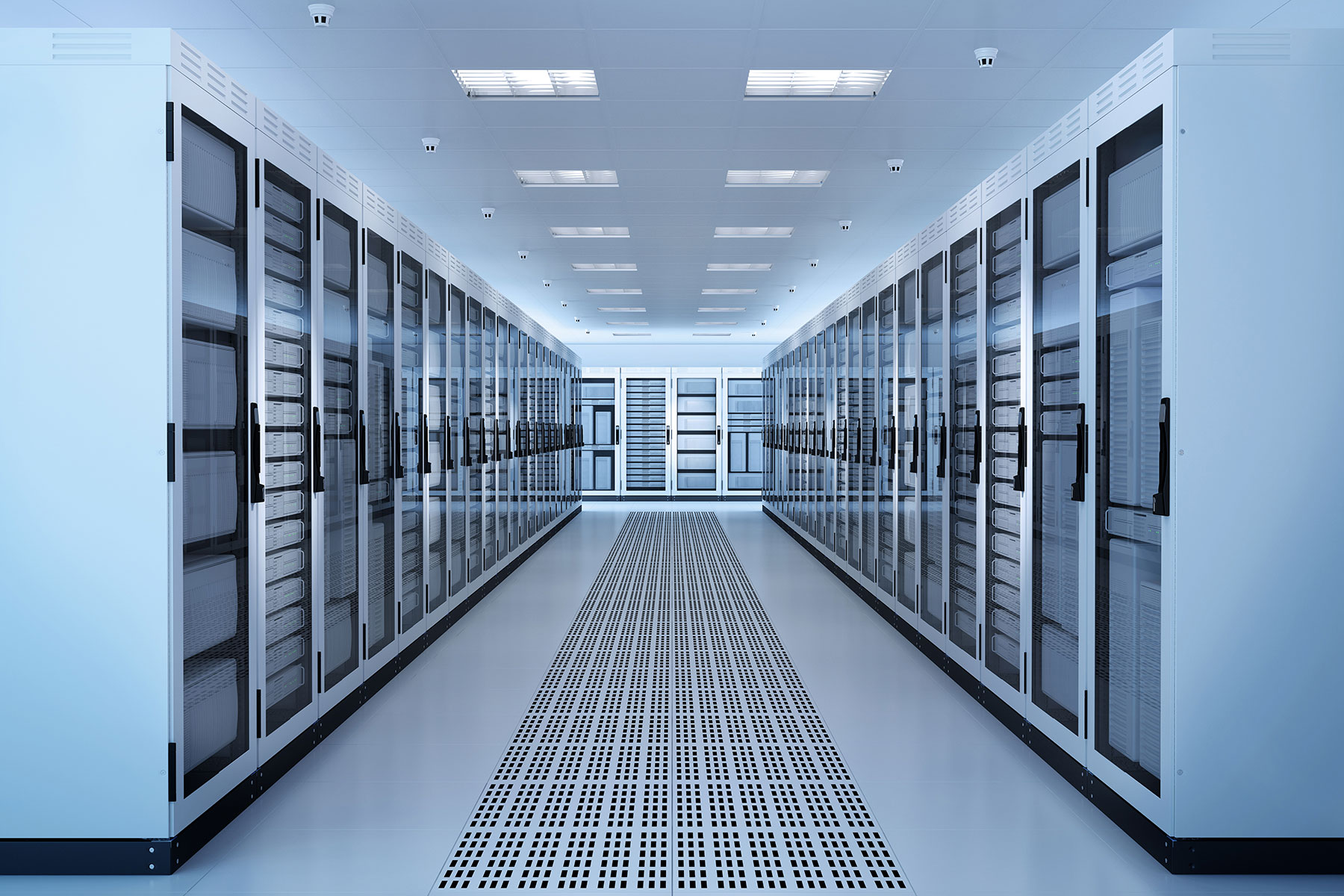
Learn MoreGhana's industrial base is relatively advanced. Import-substitution industries include electronics manufacturing. Rlg Communications is the first indigenous African company to assemble laptops, desktops, and mobile phones, and is West Africa's biggest information and communications technology (ICT) and mobile phone manufacturing company.
Ghana's telecommunications statistics indicated that as of 2013 there were 26,336,000 cell-phone lines in operation. Competition among mobile-phone companies in Ghana is an important part of the telecommunications industry growth of Ghana, with companies obtaining more than 80 per 100 persons as mobile and fixed-line phone users. The mass media of Ghana is among the most liberal in Africa
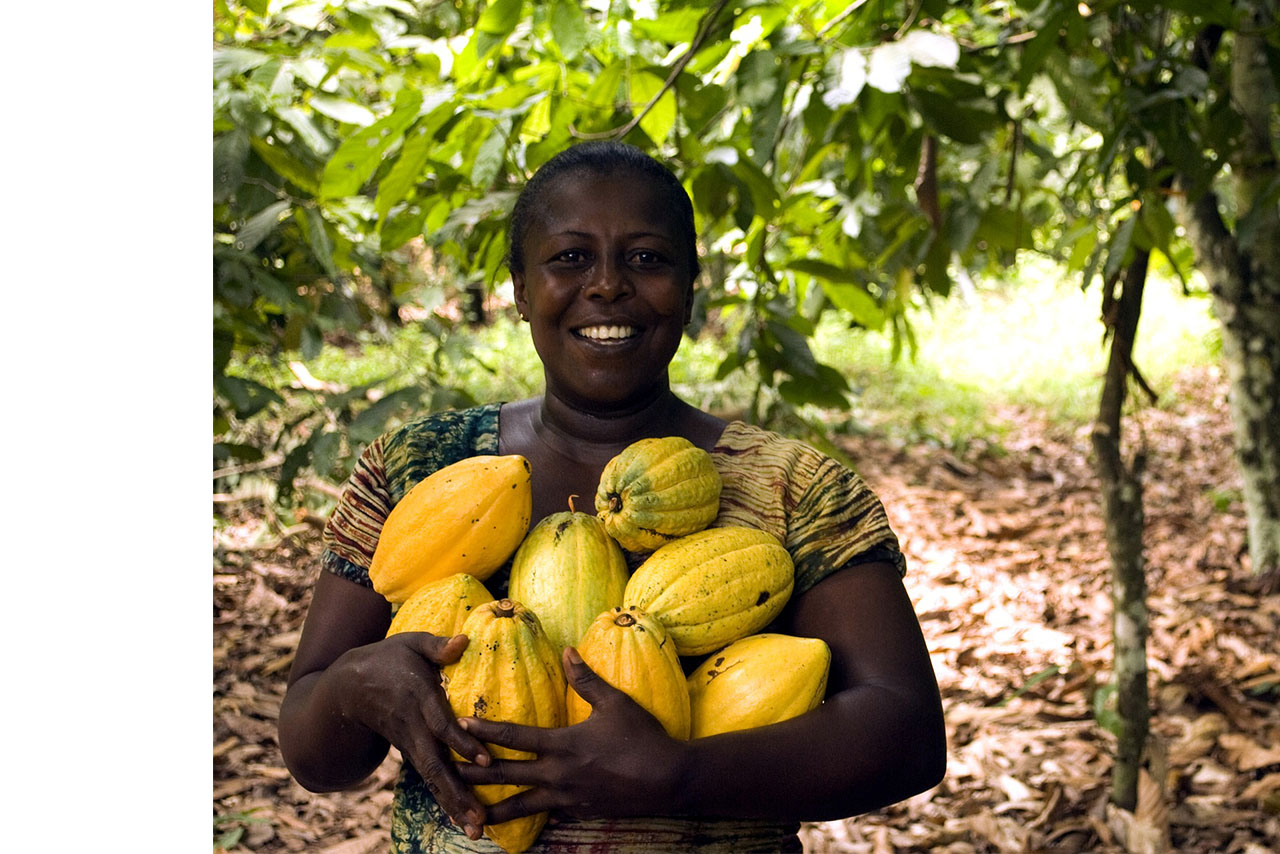
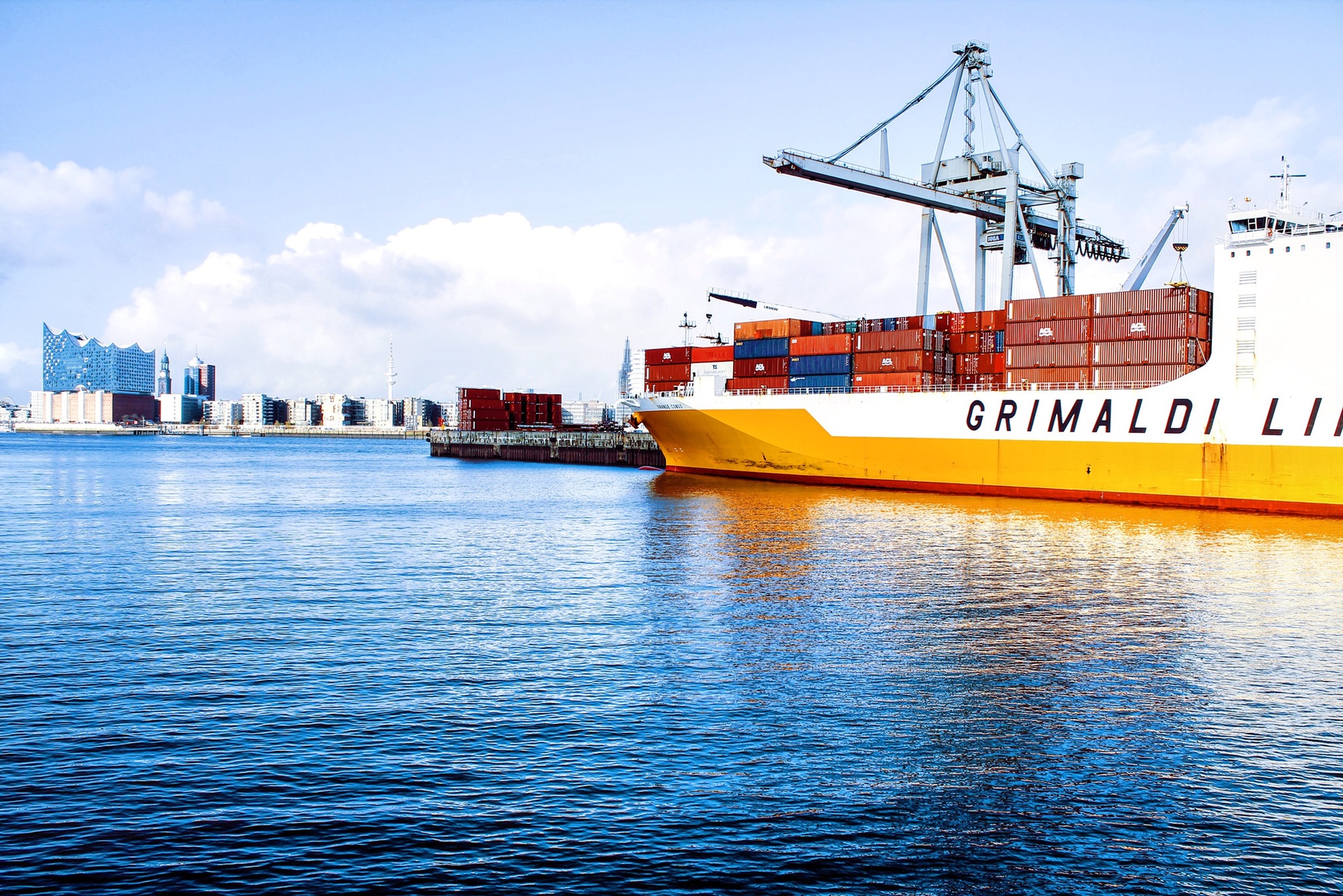
Ghana's main exports are gold, cocoa beans and timber products. Others include tuna, aluminum, manganese ore, diamonds and horticulture. It's main exports partners are Netherlands, Burkina Faso, South Africa and United Kingdom. Ghana is a net importer of goods and services with most imported products being for local consumption
The financial services in Ghana have seen a lot of reforms in the past years. The Banking (Amendment) Act 2007 included the awarding of a general banking license to qualified banks, which allows only indigenous Ghana offshore banks to operate in country Ghana. Indigenous Ghana private bank Capital Bank was the first to be awarded the general banking license in Ghana as well as indigenous Ghana private banks UniBank, National Investment Bank and Prudential Bank Limited.
• Ghana was the first country in sub-Saharan Africa to gain independence post-colonialism. It gained its independence on March 6, 1957.
• Ghana was ranked as Africa’s most peaceful country by the Global Peace Index.
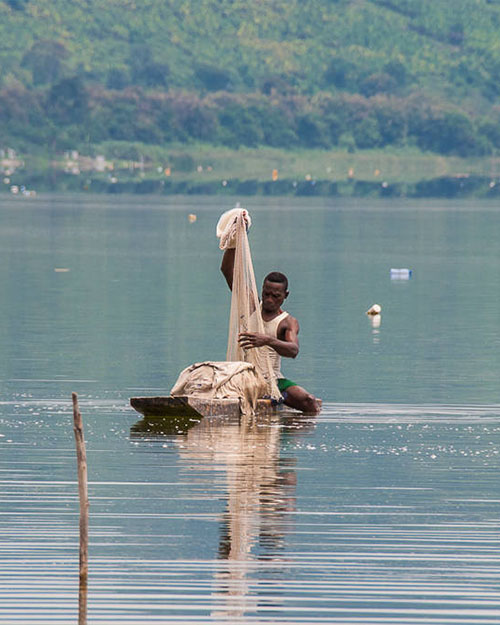
• Lake Volta, in the Volta region of the country, is the world’s largest man-made lake. It’s 250 miles long and covers 3,283 square miles, or 3.6 percent of Ghana’s area.
• The currency unit in Ghana is called the cedi. The word “cedi” comes from a local word meaning a cowry shell. Cowry shells (from sea snails) were once used as money in Ghana.
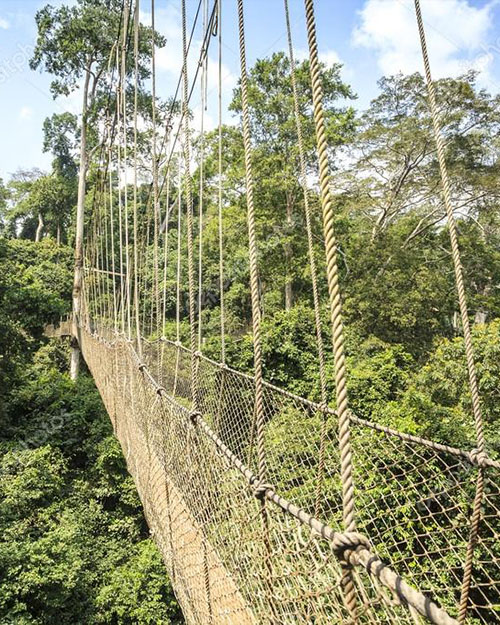
• There are six national parks and many smaller nature reserves, which were set up to help protect Ghana’s wildlife. There are over 650 butterfly species in the Kakum National Park, including the giant swallowtails, which are nearly 8 inches (20 centimeters) across.
• Children in Ghana begin two years of kindergarten at age four. Then all children ages 6-12 attend six years of elementary education. If families can afford it, children go on to secondary education. Ghana’s school system is more advanced than many of its African neighbors.
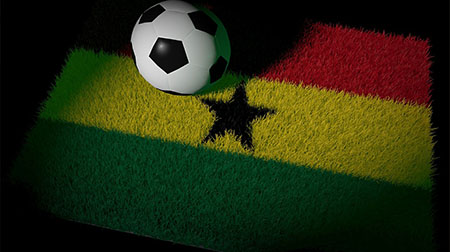
• Ghanaians love soccer and built a large soccer stadium in the capital of Accra. Soccer is the national sport.
• The traditional cloth of the Ghanaian people is the bright and colorful kente cloth. In the north, the men wear loose flowing clothes made of darker cloth.
Ghana intends to achieve its goals of accelerated economic growth and improved quality of life for all its citizens, by reducing poverty through private investment, rapid and aggressive industrialization, and direct and aggressive poverty-alleviation efforts.